BAB AL RAYAN STEEL & WELDING L.L.C.S.P. fabrication and engineering services in Sharjah, UAE.
Get a Free Quote
- Email : info@babalrayan.org
- Call : 050 408 7635
Heavy Metal Fabrication in Sharjah
Custom Steel Fabrication
Heavy Metal Fabrication in Sharjah
Heavy metal fabrication is an important part of industrial engineering and manufacturing, particularly for projects involving thick steel plates, large metal sections, heavy components, and fabricated assemblies. We provide heavy metal fabrication in Sharjah for industrial, commercial, construction, and engineering applications that require carefully manufactured metal products according to specific project requirements.
The fabrication of heavy metal components involves several processes, including material preparation, cutting, forming, drilling, welding, fitting, and assembly. Each operation must be planned according to the material grade, thickness, component dimensions, and intended working conditions.
We undertake fabrication requirements based on engineering drawings, measurements, samples, and technical specifications provided by customers. From individual heavy steel components to larger industrial assemblies, the objective is to produce metalwork that meets the required dimensions, design, and application needs.
Heavy-Duty Metal Fabrication for Industrial Applications
Industrial environments often require metal components designed for demanding operating conditions. These may involve substantial material thicknesses, large dimensions, reinforced sections, and heavy-duty connections.
Our heavy-duty metal fabrication work can include thick steel components, machinery supports, reinforced frames, equipment bases, industrial brackets, mounting structures, and fabricated metal assemblies.
The design and fabrication method depend on how each component will be used. Factors such as mechanical loads, component weight, installation arrangements, operating conditions, and material properties are considered when reviewing project requirements.
This approach helps determine the appropriate materials, fabrication processes, and assembly methods for each application.
Thick Steel Plate Fabrication
Thick steel plates are used in many industrial and engineering applications where specific material thicknesses and structural requirements must be maintained. Fabricating these materials requires attention to cutting accuracy, edge preparation, forming requirements, welding, and component alignment.
Fabrication work may involve cutting steel plates into required shapes, preparing connection points, drilling mounting holes, forming sections, and joining individual parts into larger assemblies.
Plate thickness, dimensions, material grade, and the intended use of the finished component are important considerations during production.
Proper preparation and measurement also help reduce fitting difficulties during assembly and installation.
Heavy Steel Components and Fabricated Assemblies
Many industrial projects require components that are not available in standard sizes or configurations. Heavy metal fabrication allows these products to be manufactured according to individual engineering requirements.
Depending on the project, fabrication may include heavy steel frames and support members, thick plate components and fabricated sections, machinery bases and equipment mounting structures, reinforced metal brackets and connection components, industrial equipment supports and structural assemblies, and customized heavy steel parts for engineering applications.
Each component is manufactured according to its required dimensions, material specifications, and functional purpose.
For replacement parts, existing components, technical drawings, and measurements can help establish the required shape and dimensions.
Heavy Industrial Welding and Metal Assembly
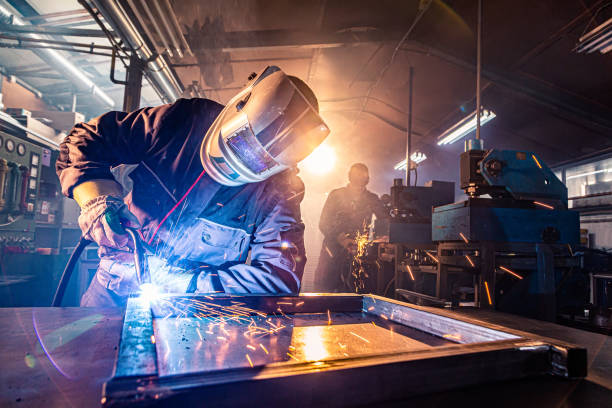
Welding plays an important role in heavy fabrication because it joins thick metal sections and individual components to form complete assemblies.
The welding procedure depends on the material type, thickness, joint configuration, accessibility, and engineering requirements. Proper joint preparation, alignment, suitable welding methods, and appropriate inspection are important for achieving the required connection quality.
Metal assembly may also involve drilling, fitting, bolting, reinforcement, and positioning of individual components. These operations help ensure that the fabricated parts correspond with the specified design and can be installed correctly.
For components used in machinery and industrial equipment, particular attention is given to mounting dimensions, connection points, and alignment requirements.
Materials Used in Heavy Metal Fabrication
Material selection has a direct influence on the performance, fabrication requirements, and service life of heavy metal components. Different steel grades are selected according to the intended application and technical specifications.
Mild Steel: Mild steel is commonly used for heavy metal components, machinery supports, frames, brackets, and general industrial assemblies.
Carbon Steel: Carbon steel is used in engineering applications where specific mechanical properties and strength requirements are important.
Stainless Steel: Stainless steel is selected for applications where corrosion resistance and surface characteristics are important.
Alloy Steel: Alloy steel may be considered for specialized engineering applications where particular mechanical properties are required.
Galvanized Steel: Galvanized steel is used where additional corrosion protection is required.
Material selection should follow the project specifications and the intended operating conditions of the finished product.
Heavy Metal Fabrication for Different Industries
Heavy fabricated metal components are used across various industrial sectors. Each industry has different requirements based on the machinery, equipment, operating environment, and engineering application.
Manufacturing facilities may require heavy machinery supports, equipment bases, metal frames, mounting structures, and reinforced assemblies. These components must be manufactured according to the dimensions and installation requirements of the relevant equipment.
Recycling facilities use machinery and processing equipment that may require heavy metal components, support structures, reinforced assemblies, and replacement parts. Fabrication requirements depend on the machine design and operating conditions.
Construction and infrastructure projects may involve heavy steel sections, support components, fabricated connections, and engineered metal assemblies. The design and material requirements are determined by project drawings and technical specifications.
Industrial machinery applications can require large metal components, thick steel plates, mounting bases, equipment frames, and specially manufactured parts. Accurate measurements and proper fitting are important for components that connect with existing machinery.
Heavy Metal Fabrication Based on Engineering Drawings
Every heavy fabrication project begins with understanding the design and the purpose of the finished product. Technical drawings and measurements provide essential information about material thickness, dimensions, connection details, and assembly requirements.
Customers can provide engineering drawings and design specifications, required material grade and thickness, component dimensions and measurements, photographs or samples of existing parts, required quantities and production details, installation and application information, and welding, drilling, and finishing requirements.
For replacement or modification work, details about the existing equipment or structure can help establish the required design.
Reviewing this information helps determine the fabrication scope, material requirements, and processes needed for the project.
Heavy Metal Fabrication Services Across Sharjah and the UAE
Based in Sharjah, we support suitable heavy metal fabrication requirements for industrial and commercial customers across the UAE.
Our service coverage includes Sharjah, Dubai, Abu Dhabi, Fujairah, Ras Al Khaimah, Umm Al Quwain, and other locations depending on project requirements.
We support engineering contractors, manufacturing companies, industrial facilities, construction businesses, and equipment-related operations that require heavy fabricated metal components.
Each project is considered according to its technical specifications, component dimensions, material requirements, and intended application.
Why Choose Our Heavy Metal Fabrication Services?
Heavy metal fabrication requires careful consideration of material properties, component dimensions, fabrication processes, and assembly requirements. Large and thick metal components often involve more detailed preparation than standard fabrication work.
We focus on understanding the technical requirements of each project before determining the appropriate fabrication approach. Drawings, material specifications, measurements, and application details help establish the work required.
Our related engineering capabilities include industrial welding, precision machining, line boring, pipe rolling, and other metalworking services. These capabilities support different industrial equipment, manufacturing, and engineering requirements.
For customers requiring heavy fabricated metal components, the priority is to manufacture products according to the specified design and intended use.
Contact our team with your project drawings, measurements, photographs, or material specifications to discuss your heavy metal fabrication requirements and request a quotation.
Frequently Asked Questions
What is heavy metal fabrication?
Heavy metal fabrication involves manufacturing larger or thicker metal components and assemblies for industrial, engineering, construction, and machinery applications. It can include cutting, forming, welding, drilling, fitting, and assembly of heavy steel products.
Do you provide heavy metal fabrication in Sharjah?
Yes. We undertake suitable heavy metal fabrication requirements in Sharjah for industrial, commercial, and engineering projects. The scope depends on the materials, component dimensions, drawings, and project specifications.
Which materials are used for heavy metal fabrication?
Common materials include mild steel, carbon steel, stainless steel, galvanized steel, and alloy steel. The material is selected according to the required mechanical properties, operating conditions, and intended application.
Can you fabricate thick steel plates?
Yes. Thick steel plates can be processed according to the required dimensions and specifications. The fabrication requirements depend on the material grade, plate thickness, component design, and intended use.
Do you manufacture heavy metal components for industrial machinery?
Yes. Suitable fabrication projects can include machinery supports, equipment bases, heavy steel frames, mounting structures, reinforced components, and other metal assemblies according to technical specifications.
Can heavy metal components be manufactured from existing samples?
Yes. Existing components, photographs, measurements, and technical drawings can help establish the dimensions and design requirements for replacement or newly fabricated parts.
What information is needed for a heavy fabrication quotation?
Customers can provide technical drawings, material specifications, thickness requirements, dimensions, photographs, samples, required quantities, and details about the intended application.
Do you provide heavy metal fabrication outside Sharjah?
Yes. Suitable projects can be supported across the UAE, including Dubai, Abu Dhabi, Fujairah, Ras Al Khaimah, and Umm Al Quwain, depending on the project scope and requirements.
Related Custom Steel Fabrication Services
Interested in this service?
Get a custom quote tailored to your project requirements.
Request a Quote