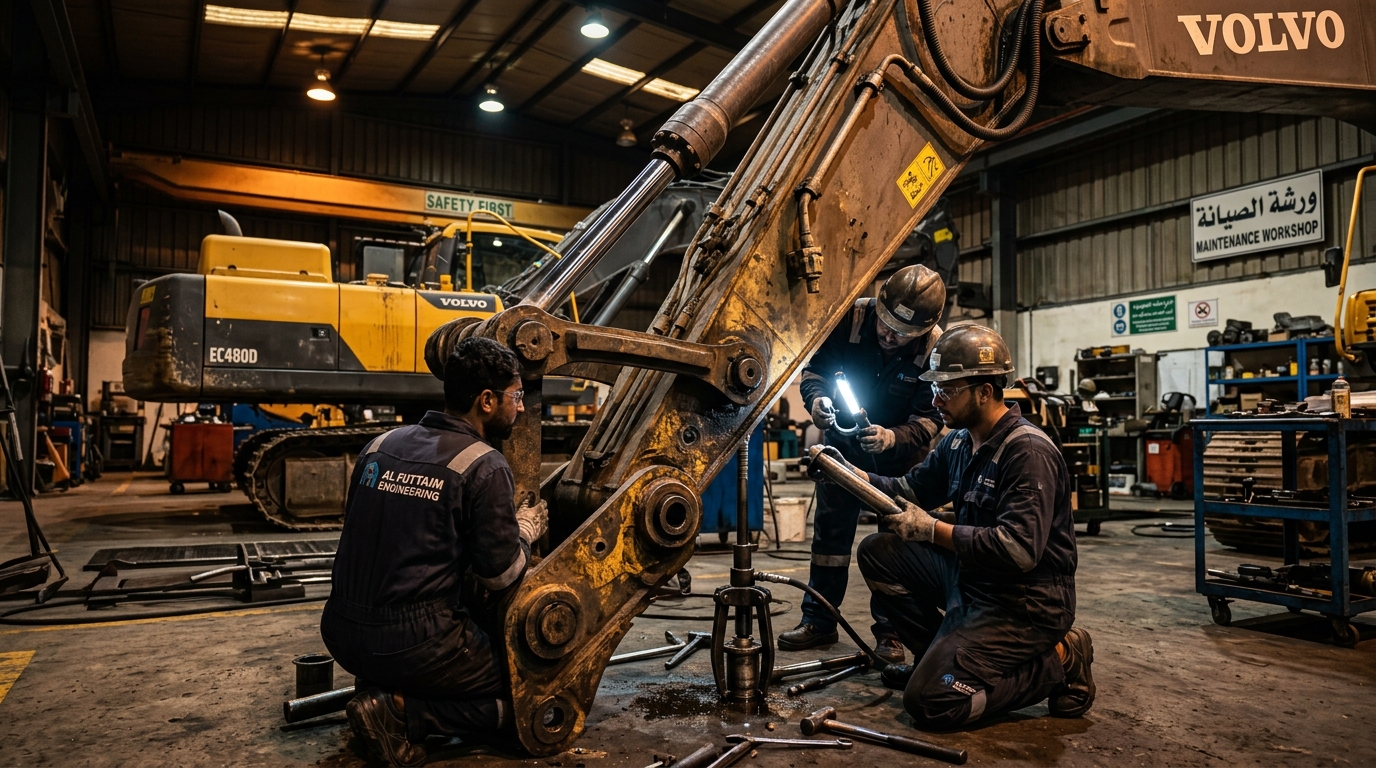
Heavy equipment is built to handle demanding work, but even the strongest machines experience wear over time. Excavators, wheel loaders, bulldozers, cranes, and other construction machinery operate under heavy loads, repetitive movement, vibration, dust, and changing working conditions.
Understanding the causes of heavy equipment wear can help equipment owners, operators, and maintenance teams identify problems earlier and take appropriate action.
Regular heavy equipment maintenance is not only about fixing a machine after it breaks down. It also involves monitoring components, following recommended maintenance schedules, and addressing smaller problems before they develop into more serious failures.
In this guide, we look at seven common causes of equipment wear and practical ways to help reduce unnecessary damage.
What Is Heavy Equipment Wear?
Heavy equipment wear refers to the gradual deterioration of machine components caused by regular operation, friction, pressure, impact, contamination, environmental conditions, and other factors.
Some wear is expected during normal equipment operation. However, excessive or uneven wear can indicate a maintenance issue, incorrect operation, poor lubrication, misalignment, or unsuitable working conditions.
Commonly affected components can include:
Identifying the source of wear is important because replacing a worn component without addressing the underlying cause may allow the same problem to return.
7 Common Causes of Heavy Equipment Wear
1 1. Insufficient Lubrication
Lubrication plays an important role in reducing friction between moving components. When equipment does not receive sufficient lubrication, friction can increase between components. This can accelerate wear and generate additional heat.
Poor lubrication can affect areas such as:
- Pins and bushings
- Bearings
- Pivot points
- Hydraulic components
- Gears
- Other moving connections
Follow the equipment manufacturer's lubrication recommendations. Use the specified lubricant and apply it at the recommended intervals.
Maintenance teams should also inspect grease points and lubrication systems regularly.
If a component requires frequent lubrication because of its operating environment, the maintenance schedule may need to account for those conditions.
2 2. Overloading the Machine
Heavy machinery is designed with specific operating limits. Regularly exceeding recommended loads can place additional stress on structural and mechanical components.
Overloading may contribute to accelerated wear in:
- Hydraulic systems
- Attachments
- Structural components
- Pins and bushings
- Bearings
- Undercarriage components
Repeated overloads can also increase stress on the machine's frame and connection points.
Operators should understand the machine's operating specifications and recommended load limits.
Avoid using an attachment or configuration that exceeds the machine's intended capacity.
Proper load management is one of the most important heavy equipment maintenance tips because preventing excessive stress is generally preferable to repairing damage afterward.
3 3. Poor Operating Practices
The way a machine is operated can have a significant effect on its service life. Aggressive operation, sudden movements, excessive speed, improper digging techniques, and using an attachment for an unsuitable task can increase mechanical stress.
For example, repeatedly forcing an excavator bucket into material beyond the machine's intended operating conditions can place additional stress on the arm, boom, attachment connections, and hydraulic system.
Operators should receive appropriate training and follow the equipment manufacturer's operating recommendations.
Good operating practices include:
- Avoiding unnecessary impacts
- Using appropriate attachments
- Avoiding excessive loads
- Operating smoothly
- Following recommended digging techniques
- Paying attention to unusual noises or movements
Proper operation can reduce unnecessary equipment wear and tear and help components last longer.
4 4. Contamination, Dust and Debris
Construction equipment often operates in environments containing dust, sand, dirt, mud, and other contaminants. These materials can enter or accumulate around mechanical and hydraulic components if equipment is not properly maintained.
Contamination can contribute to wear in hydraulic systems, bearings, seals, joints, and other components. This is particularly important for equipment operating in dusty or abrasive environments.
Regular cleaning and inspection can help reduce contamination-related problems. Maintenance teams should:
- Inspect air filters
- Check hydraulic filters
- Keep lubrication points clean
- Inspect seals
- Clean equipment after dusty ops
- Check hydraulic fluid condition
- Follow filter replacement intervals
Preventing contaminants from entering sensitive systems is an important part of construction equipment maintenance.
5 5. Lack of Regular Inspection
Some equipment problems develop gradually rather than suddenly. A worn pin, damaged bushing, leaking hydraulic hose, cracked weld, or deteriorating wear component may initially have only a small effect on machine performance. If the problem is ignored, however, the resulting damage can become more extensive.
Regular visual and operational inspections can help identify problems early. Maintenance teams should look for:
- Hydraulic leaks
- Cracks
- Loose components
- Excessive movement
- Unusual noises
- Damaged hoses
- Worn teeth
- Excessive play around joints
- Uneven wear
The inspection frequency should depend on the equipment, operating environment, manufacturer recommendations, and intensity of use.
6 6. Operating in Harsh Conditions
Construction and earthmoving equipment may work in challenging environments for long periods. Extreme heat, abrasive materials, heavy dust, muddy conditions, uneven terrain, and continuous high-load operation can contribute to heavy machinery wear.
Environmental conditions can also influence fluids, seals, cooling systems, tires, tracks, and other components.
Maintenance schedules should take the operating environment into consideration. For equipment working in demanding conditions:
- Inspect components more frequently when appropriate.
- Keep cooling systems clean.
- Monitor fluid levels and condition.
- Check seals and hoses.
- Inspect attachment connection points.
- Clean accumulated dirt and debris.
- Follow the manufacturer's recommendations for severe-duty operation.
A maintenance plan that reflects actual working conditions can be more effective than simply following a generic schedule.
7 7. Delayed Repairs
One of the most common causes of escalating equipment problems is continuing to operate a machine after a significant fault or abnormal wear has been identified. A small issue can sometimes lead to damage to connected components.
For example, excessive play at a pivot point may indicate wear in a pin, bushing, or bore. If the machine continues to operate under heavy loads, additional components may eventually be affected.
Don't ignore unusual machine behavior. When operators notice:
- Excessive movement
- New or unusual noises
- Hydraulic leaks
- Reduced performance
- Cracks
- Unusual vibration
- Repeated component failures
The equipment should be inspected to determine the cause.
Timely heavy machinery repair can help prevent a localized problem from becoming a more extensive repair.
Common Components Affected by Heavy Equipment Wear
Different parts of a machine experience different types of stress.
Pins and Bushings
Pins and bushings are commonly used at pivot and connection points. Repeated movement and heavy loads can gradually create clearance between components. Excessive clearance can affect machine movement and place additional stress on surrounding components.
Hydraulic Systems
Hydraulic systems operate under pressure and depend on clean fluid, properly functioning seals, hoses, pumps, valves, and cylinders. Leaks, contamination, overheating, or neglected maintenance can contribute to premature component wear.
Undercarriage Components
Tracked equipment can experience significant wear in undercarriage components, particularly when operating on abrasive or uneven surfaces. Regular inspection can help identify excessive wear before it affects machine operation.
Attachments
Buckets and other attachments can experience wear around teeth, cutting edges, connection points, wear plates, and structural areas. The rate of wear depends heavily on the material being handled and the application.
Preventive Maintenance for Heavy Equipment
Preventive maintenance for heavy equipment focuses on maintaining machinery before a major failure occurs. A preventive maintenance program may include:
Daily Checks
Operators can inspect:
- Fluid levels
- Tires or tracks
- Hydraulic hoses
- Visible leaks
- Attachment condition
- Warning indicators
- General machine condition
Scheduled Maintenance
Depending on the equipment, scheduled maintenance may include:
- Oil and filter changes
- Hydraulic system checks
- Lubrication
- Cooling system inspection
- Component measurements
- Electrical system checks
- Undercarriage inspection
Periodic Component Inspection
High-wear areas should be monitored regularly. Measuring component wear can provide useful information about whether parts are approaching their service limits.
The exact inspection and maintenance intervals should always follow the equipment manufacturer's recommendations.
Heavy Equipment Maintenance Tips for Longer Service Life
Good maintenance is a combination of routine care, proper operation, and timely intervention. Here are several practical heavy equipment maintenance tips:
- Follow the manufacturer's maintenance schedule.
- Inspect equipment before and after demanding work.
- Keep filters clean and replace them when required.
- Maintain proper lubrication.
- Monitor hydraulic fluid and coolant levels.
- Check pins, bushings, and pivot points for excessive wear.
- Inspect attachments regularly.
- Avoid overloading equipment.
- Train operators in proper machine operation.
- Investigate unusual noises, vibration, or movement promptly.
Keeping accurate maintenance records can also help identify recurring problems and track component replacement intervals.
Heavy Equipment Wear in UAE Working Conditions
Equipment operating in the UAE can encounter demanding conditions, including high temperatures, dust, abrasive materials, and intensive construction activity.
These conditions make consistent maintenance particularly important for construction machinery and earthmoving equipment.
However, maintenance requirements vary depending on the machine, manufacturer, workload, operating environment, and age of the equipment.
Rather than relying on a single maintenance routine for every machine, maintenance teams should develop procedures based on the equipment manufacturer's recommendations and actual operating conditions.
Looking for Attachment Refurbishment & Wear Repair in UAE?
Bab Al Rayan provides comprehensive heavy equipment repair, Hardox wear plate reinforcement, bucket fabrication, and precision line boring across Sharjah, Dubai, Abu Dhabi, and the Northern Emirates.
When Should Worn Equipment Be Repaired?
There is no single point at which every worn component must be repaired or replaced. The appropriate decision depends on:
For some components, adjustment or replacement may be sufficient. Other situations may require machining, structural repair, or more extensive restoration.
The important point is to identify the cause of wear rather than simply replacing the component that shows the most obvious damage.
Why Early Detection Matters
Early detection gives maintenance teams an opportunity to investigate problems before they become more extensive.
For example, a small hydraulic leak may be easier to address than damage caused by continued operation with low hydraulic fluid. Similarly, early detection of excessive play in a pivot connection can allow the source of the wear to be investigated before surrounding components are affected.
Regular inspections therefore form an important part of equipment reliability.
Frequently Asked Questions
Conclusion
Heavy equipment wear is unavoidable over the working life of construction and earthmoving machinery, but excessive wear can often be managed through proper maintenance and operating practices.
Understanding the causes of wear helps equipment owners and maintenance teams focus on the areas that require attention. Lubrication, load management, cleanliness, regular inspections, appropriate operation, and timely repairs all play an important role in maintaining machinery.
For equipment operating in demanding UAE conditions, a maintenance program should reflect the machine's actual workload and environment while following the manufacturer's recommendations.
By identifying problems early and addressing their underlying causes, businesses can help maintain equipment reliability and reduce avoidable downtime.
Need Heavy Machinery Repair, Line Boring or Custom Attachments in UAE?
Contact Bab Al Rayan steel and engineering experts for machinery maintenance, attachment overhaul, Hardox lining, and on-site line boring across the UAE.